Maintenance contracts
Prevent breakdowns with the maintenance plan built for your equipment.
Florida AC, rooftop HVAC, and refrigeration equipment work hard. The right plan gives you fewer surprises, better records, and a clearer path before small problems become expensive.
Pick a path
Two maintenance tracks. One local team.
A home AC system needs comfort protection and seasonal reliability. A restaurant cooler or rooftop unit needs uptime, documentation, and faster risk detection. A/C Advantage handles both without treating them like the same job.
Not sure where to start?
If the equipment serves a home, start residential. If it protects customers, tenants, inventory, staff, or revenue, start commercial.
Residential comfort
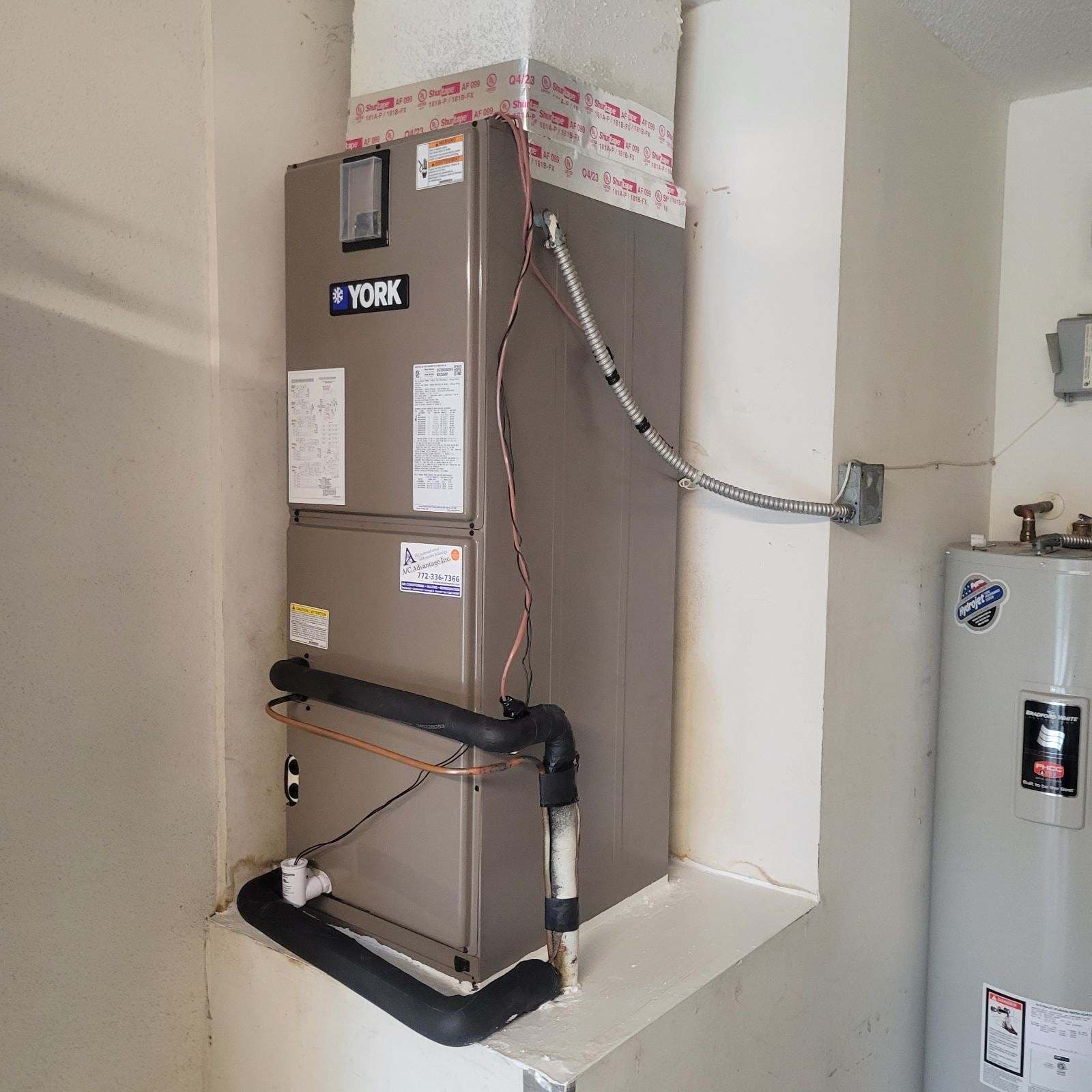
Residential Maintenance Plans
Twice-a-year AC and heat pump maintenance for Florida homeowners who want fewer surprises, better efficiency, and a trusted team before peak heat arrives.
Two visits per year: spring and fall
Homeowners who want fewer surprises, better efficiency, and a trusted HVAC team before peak heat arrives.
Best for
Risk it reduces: A no-cool call during peak heat, water around the air handler, high energy bills, and comfort problems that build slowly.
Business uptime
Commercial Maintenance Contracts
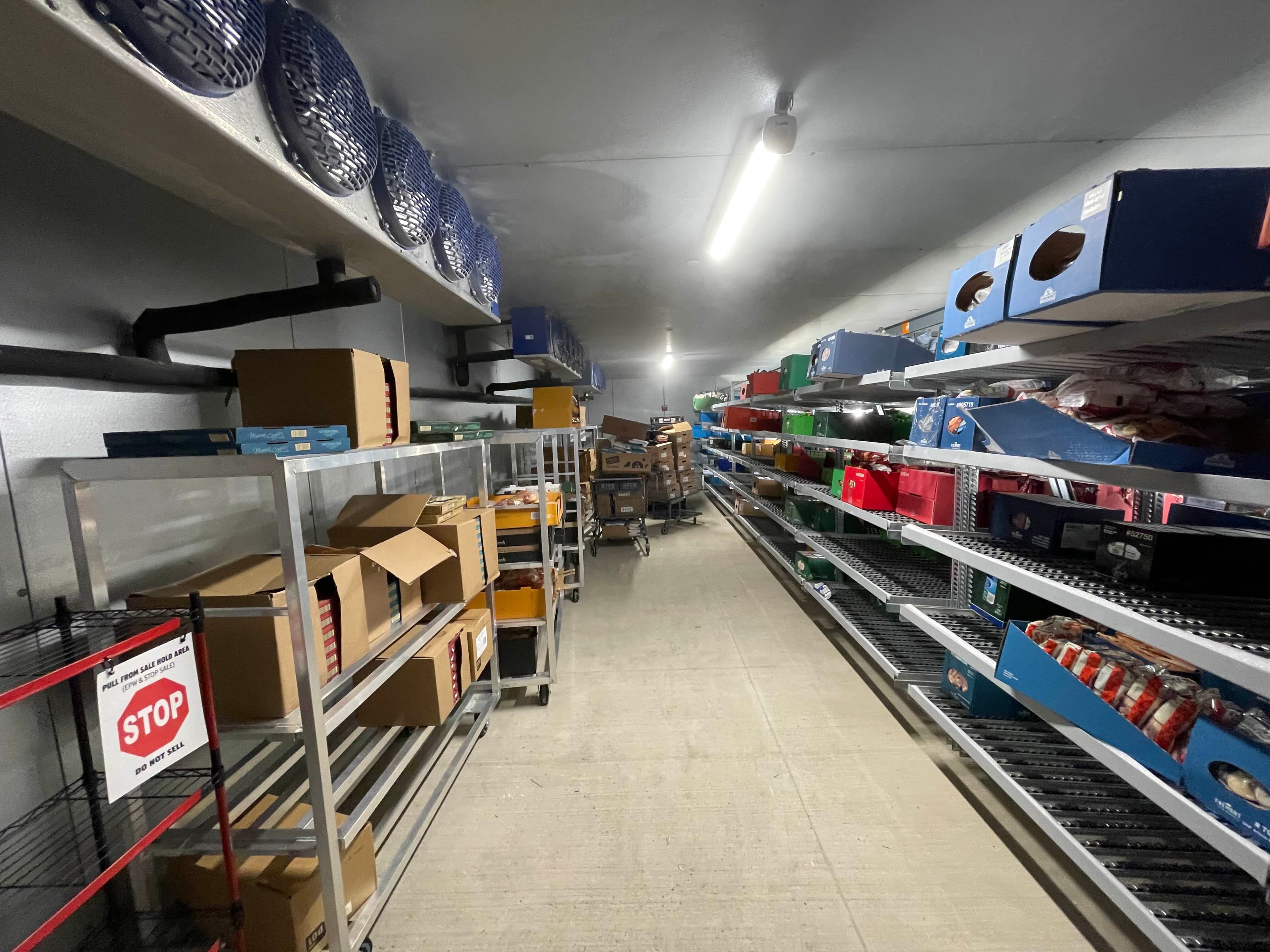
Commercial HVAC and refrigeration maintenance for restaurants, retail, offices, medical spaces, property managers, and facilities where downtime costs money.
Quarterly or custom based on equipment load
Restaurants, offices, medical spaces, retail, property managers, and facilities where downtime affects revenue or compliance.
Best for
Risk it reduces: Lost inventory, tenant complaints, closed service, unsafe temperatures, and emergency repairs that interrupt operations.
Why maintenance matters
Most emergencies start small.
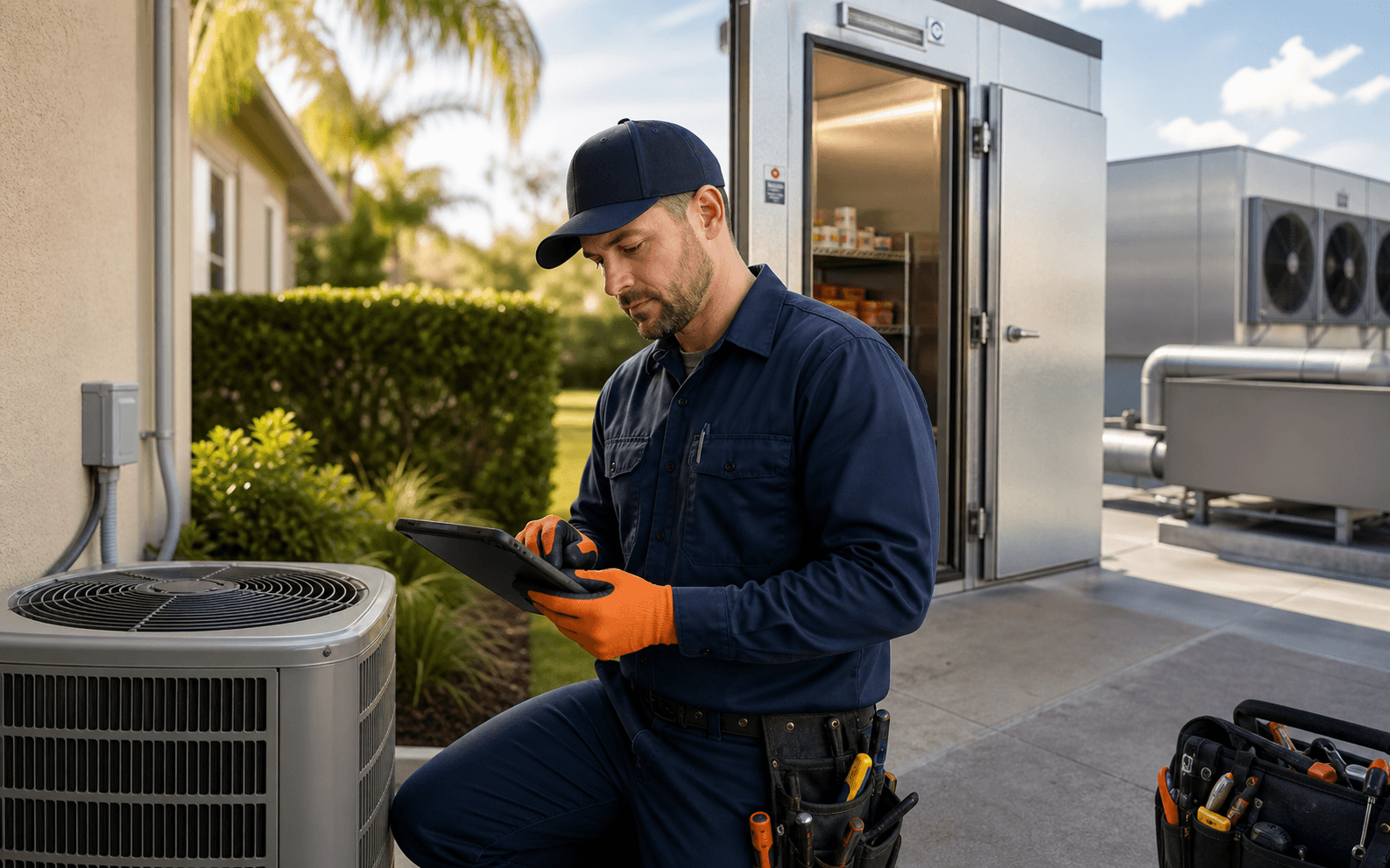
Dirty coils, weak capacitors, clogged drains, loose electrical connections, drifting temperatures, and worn gaskets all start as manageable problems. Maintenance catches them before they become a no-cool call or lost inventory.
Priority familiarity
A maintenance customer has service history, equipment notes, and a team that already understands the system before a problem escalates.
Written records
Documentation helps with warranty questions, repair planning, commercial accountability, and deciding when replacement needs to be discussed.
Earlier repairs
Small electrical, airflow, drainage, gasket, coil, or temperature issues are easier to handle before they become an emergency call.
Equipment protection
Maintenance does not make equipment invincible, but it lowers avoidable strain and gives owners better information.
What changes by plan
Residential comfort and commercial uptime are different jobs.
Both plans are built around prevention, but the stakes and checklist change based on what the equipment protects.
Timing
The best time to start is before the system gives you a reason.
Maintenance works best when it creates a baseline. Once A/C Advantage knows the equipment, the service history, and the weak points, every future repair conversation gets clearer.
Ready to choose?
Start with the plan that matches your equipment.
Residential and commercial customers both get the same A/C Advantage standard: straight answers, practical recommendations, and maintenance records you can actually use.